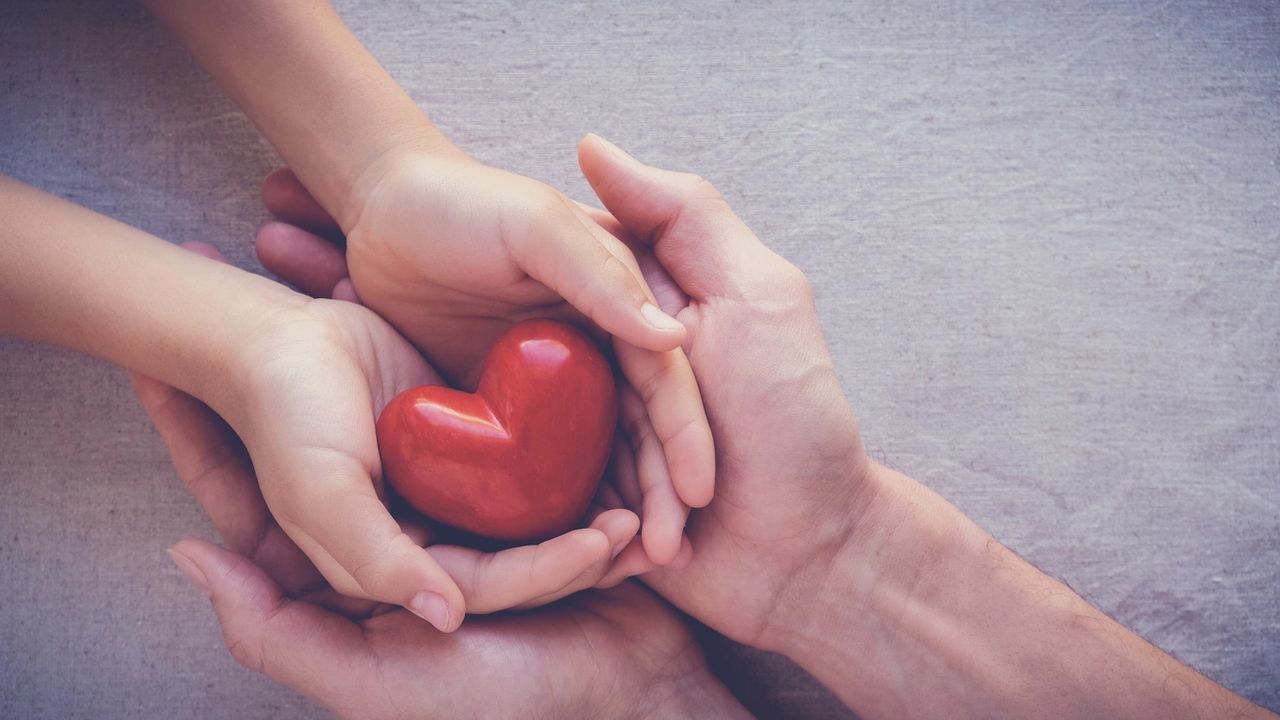
The Invisible Thread
How Everyday Kindness Can Heal
The line at the coffee shop stretches to the door.
You're half-awake, scrolling your phone, while the barista calls out drink orders in that rhythmic tone of someone who's learned to navigate impatience with grace. Her smile is polite, her movements efficient, her eyes a little tired.
When she slides your drink across the counter, you murmur thanks and step aside.
If you'd looked up a moment longer, you might have seen the tremor in her hands, the quiet endurance behind her mask of composure.
You have a choice in that moment — one so ordinary it almost disappears into routine.
You can grab your cup and move on.
Or you can meet her gaze, smile, and say thank you like you mean it.
It costs you three seconds. But for her, it might be the only time all day someone actually sees her.
The Science of Small Moments
Psychologists call this "prosocial behavior" — small acts of warmth that signal recognition and belonging. A 2022 study in The Journal of Experimental Psychology found that people consistently underestimate how meaningful their kindness is to others. The recipients described it as uplifting and restorative; givers often thought it was no big deal.
Kindness changes brain chemistry, too.
MRI scans show that both giving and receiving kindness activate the brain's reward centers — releasing dopamine and oxytocin, the neurochemicals tied to bonding, trust, and pleasure. These physiological responses don't just feel good; they recalibrate stress circuits, lower blood pressure, and improve immune balance.
In short: kindness isn't soft. It's cellular.
The Biology of Benevolence
Oxytocin, sometimes called the bonding hormone, has far-reaching effects on physical health. It reduces cortisol (the chronic stress hormone) and improves heart rate variability — a marker of cardiovascular resilience and longevity.
A 2023 meta-analysis from the University of British Columbia found that people who intentionally practiced kindness had lower systemic inflammation and fewer somatic symptoms, while even writing about kind acts reduced pro-inflammatory cytokines.
These are the same pathways that drive premature aging.
Stress, isolation, and chronic inflammation accelerate cellular wear and tear, while oxytocin, serotonin, and endorphins — all boosted by kindness — help buffer the body's stress response and protect mitochondria.
In fact, studies from UCSF's Aging, Metabolism, and Emotion Lab show that people who engage regularly in compassionate acts have longer telomeres — the DNA "caps" that protect chromosomes from fraying. Longer telomeres correlate with slower biological aging, better immune function, and greater longevity.
Kindness, quite literally, helps you age more slowly.
Kindness as Civic Infrastructure
Sociologists describe kindness as social capital — the invisible web of trust that holds communities together. When we neglect it, the fabric frays; polarization rises, loneliness spreads, health declines.
But every act of kindness — a patient smile, a small tip, a pause before reacting — is a micro-repair.
Communities that value kindness show lower rates of depression, anxiety, and even cardiovascular disease. What looks like "niceness" on the surface is, in fact, civic medicine.
Kindness isn't sentiment. It's structural maintenance. It's the collagen of culture.
The Practice of Seeing
Kindness is not a mood — it's a discipline of perception.
It's the practice of remembering that every person we meet — in line, on the road, or on a screen — carries an entire private world, just as complex as ours.
Tomorrow morning, when the barista hands you your coffee, look up.
Let your gratitude register.
Each small act becomes part of an invisible thread that holds us all together — and quietly keeps us healthier in the process.