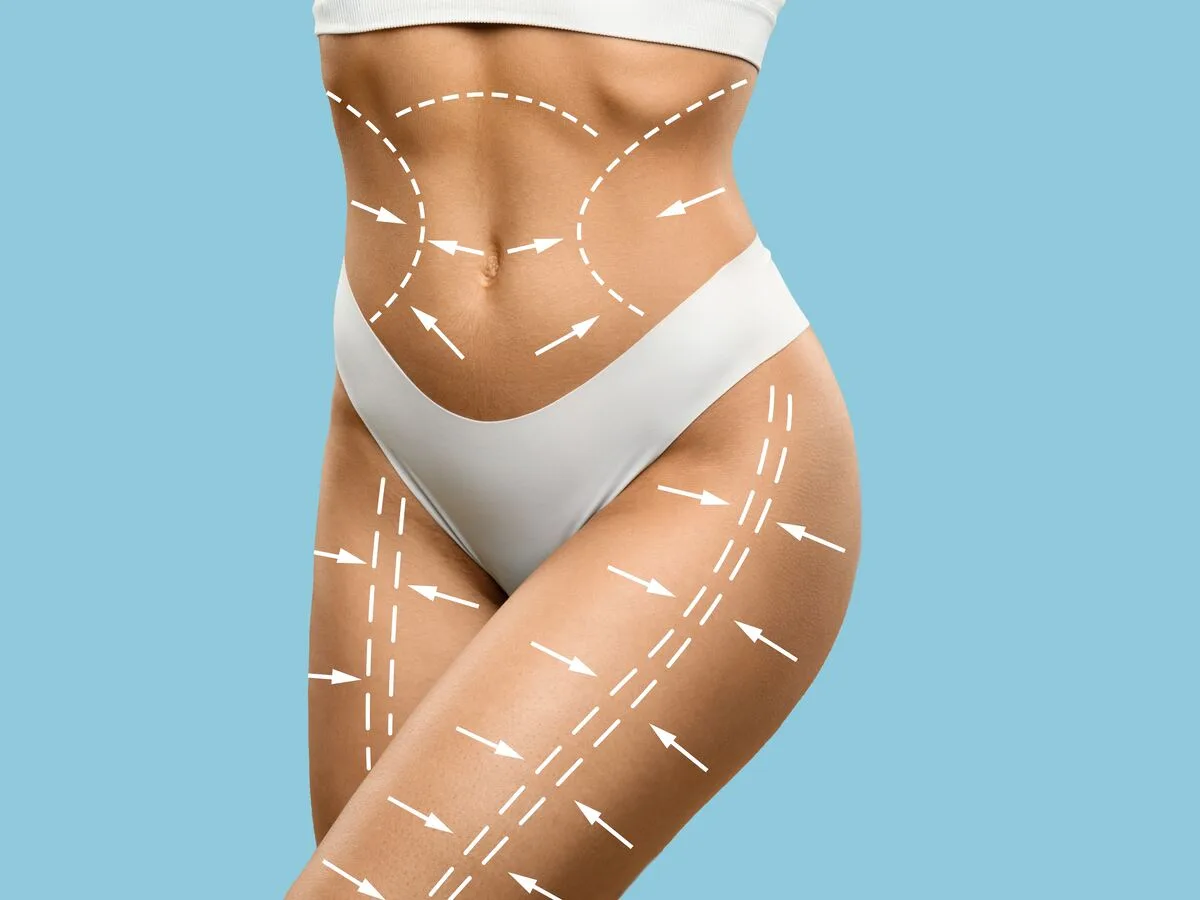
GLP-1 Weight Loss and Skin Aging: Why Losing Weight and Aging Well Aren't the Same Thing
What Ozempic, Wegovy, Mounjaro, and Zepbound Are Teaching Us About Tissue, Collagen, and Healthy Aging
For most of my career, weight loss was treated as a goal that didn't need defending. Lower the number on the scale, drop the body fat, and health was assumed to follow. For plenty of people, that's still true and still worth pursuing.
But the longevity and regenerative aesthetics conversation has shifted, and the rise of GLP-1 medications has forced the issue. The question is no longer just how much weight someone loses. It's what tissue they lose, and what tissue they manage to keep.
That distinction matters more than almost anything else for how a person ages, including how their skin holds up. And it's the part most people — and a surprising number of clinicians — are still missing.
The Scale Doesn't Know What You're Losing
A bathroom scale measures one thing: total mass. It can't tell fat from muscle, bone, or water. So when someone loses thirty pounds, the scale registers a win without knowing whether the body just gave up the right tissue or the wrong tissue.
Those thirty pounds could be visceral fat. They could also be skeletal muscle, bone-supporting tissue, the subcutaneous fat that keeps skin looking full, or the facial fat that quietly holds up the lower face. The scale treats all of it as the same victory. The body does not.
The Fat You Actually Want to Lose
Not all body fat behaves the same way. The form worth targeting is visceral fat, which wraps around the organs deep in the abdomen and acts less like padding and more like an active endocrine organ.
Unlike the fat just under the skin, visceral fat pumps out inflammatory signals tied to:
- Insulin resistance
- Type 2 diabetes
- Cardiovascular disease
- Fatty liver disease
- Chronic, low-grade inflammation
- Higher risk of several cancers
Decades of research link excess visceral fat to worse outcomes and shorter lifespan. Reducing it tends to improve blood sugar regulation, inflammatory markers, cardiovascular health, and overall metabolic function. This is the legitimate, powerful upside of weight loss: less visceral fat usually means lower disease risk.
The Tissue You Can't Afford to Lose
The problem is that the body also carries tissue we want to protect, especially as the years add up:
- Skeletal muscle
- Bone
- Healthy facial fat
- Dermal adipose tissue (the fat layer that supports skin)
- Connective tissue and collagen scaffolding
- Functional, resilient skin
These tissues drive strength, mobility, repair, and the structural support that keeps a face looking like itself. The trouble is that weight loss isn't always selective. It doesn't politely remove only the harmful fat. Done without protection, it strips muscle and supportive tissue right alongside it.
Muscle is now recognized as one of the strongest predictors of healthy aging, underwriting mobility, balance, glucose regulation, and the independence to keep living on your own terms. The loss of muscle mass — sarcopenia — tracks with frailty, falls, disability, and a steep drop in quality of life. Losing muscle is nothing like losing visceral fat, even when the scale reports the same number.
What Rapid Weight Loss Does to the Face and Skin
This is where the aesthetics side of the story lives, and where I spend most of my clinical attention. The face is supported from underneath by fat compartments and held together by a collagen and connective-tissue scaffold. When weight comes off quickly, those facial fat pads deflate, and skin that took years to stretch doesn't snap back on demand.
The result has become common enough to earn nicknames in the press, but clinically it shows up as a recognizable cluster of concerns:
- Skin laxity and loss of skin tightening along the lower face
- A softened or blurred jawline and loss of jawline definition
- Neck laxity, where neck tightening becomes a priority
- Crepey skin on the cheeks, neck, and décolletage
- Deeper fine lines and wrinkles as supporting volume drops
- Under-eye aging and hollowing
- Enlarged pores becoming more visible as skin loses tone
- Uneven tone and hyperpigmentation made more obvious by texture change
None of this means GLP-1 medications are the villain. It means the skin is an organ, and like every other organ it responds to how quickly and how carefully tissue is lost. The people who weather rapid weight loss best are the ones who protect the substrate underneath the skin rather than chasing the number alone.
It's also why interest in collagen stimulation, non-surgical facelift approaches, and natural-looking rejuvenation has climbed right alongside GLP-1 prescriptions. These aren't vanity add-ons. They're a response to real, structural tissue change — and they overlap heavily with the menopause skin changes many women are already navigating at the same time.
What GLP-1 Medications Are Teaching Us
The rapid arrival of GLP-1 drugs such as Ozempic, Wegovy, Mounjaro, and Zepbound has dragged this whole conversation into daylight. These medications can produce dramatic weight loss and real metabolic gains: reduced appetite, better blood sugar control, lower inflammation, and meaningful drops in body weight. Emerging work even suggests they may lower the risk of certain obesity-related cancers. Those are not small benefits.
But researchers keep flagging the same concern: when weight loss happens without adequate protein, nutritional support, or resistance training, the body sheds muscle and lean tissue along with fat. The medication isn't the problem. The problem is treating weight loss as subtraction rather than as a process that has to actively preserve the tissue you want to keep.
A Regenerative Aging Perspective
If there's a single lesson worth taking from longevity medicine, it's this: healthy aging isn't about shrinking the body. It's about keeping the right tissue while reducing the wrong tissue. "How much weight did I lose?" is the wrong question. The better ones are:
- How much visceral fat did I lose?
- How much muscle did I preserve?
- How healthy is my metabolism?
- How well can I move?
- How resilient are my skin and connective tissues?
Those questions tell you far more about biological aging than any number on a scale.
The Tissue Preservation Principle
A useful frame for regenerative aging is what I call the Tissue Preservation Principle. The goal isn't reduction for its own sake. It's selective preservation: hold on to what supports you, let go of what works against you.
Preserve
- Muscle
- Bone
- Healthy facial fat
- Dermal adipose tissue
- Skin function and collagen
- Connective tissue
Reduce
- Excess visceral fat
- Chronic inflammation
- Metabolic dysfunction
- Ectopic fat accumulation
- Disease-promoting tissue changes
The Bottom Line
Weight loss can be a genuinely powerful tool. Shedding excess visceral fat may lower the risk of diabetes, cardiovascular disease, chronic inflammation, and certain cancers. GLP-1 medications have made that more achievable for more people than ever before.
But healthy aging asks for more than a smaller body. The objective was never to become lighter. It was to become healthier, stronger, and more resilient — with skin and structure that still look and function like your own. As longevity science matures, the message keeps sharpening: don't aim to lose as much tissue as possible. Aim to keep the tissue that keeps you strong, functional, and vibrant, and reduce the tissue that quietly drives disease.
That's a very different conversation than weight loss. It may also be the most important one in regenerative aging right now.