Skin Concern
Pigmentation & Melasma
Evidence-aware, anti-inflammatory protocols for hyperpigmentation, uneven skin tone, sun damage, and hormonally driven melasma — supporting healthy skin function and natural-looking clarity.
"Clarity is not just cosmetic — it is a reflection of barrier integrity and inflammatory load."
Education
Why Uneven Skin Tone Can Be So Difficult to Treat
Pigmentation concerns are among the most frustrating skin issues many people face. Dark patches, melasma, post-inflammatory pigmentation, and uneven tone often seem to return repeatedly — even after treatment.
One reason is that pigmentation is frequently connected to deeper biological triggers within the skin, including inflammation, heat, hormones, UV exposure, visible light exposure, skin barrier dysfunction, and irritation. This means aggressive treatments can sometimes worsen pigmentation instead of improving it.
At South County Microspa, we take a progressive, skin-health-first approach to pigmentation management. Rather than focusing only on 'removing pigment,' we focus on supporting calmer skin function, reduced inflammation, healthier barrier integrity, gradual brightening, balanced cellular turnover, and safer long-term correction strategies.
Pigmentation improvement often requires patience, consistency, and intelligent treatment selection. The goal is healthier, more stable skin that behaves more predictably over time.
Melanin is produced by specialized cells called melanocytes and is the body's primary UV defense mechanism. When this system becomes dysregulated — through chronic UV exposure, hormonal fluctuations, or post-inflammatory responses — it produces irregular pigmentation deposits that can be difficult to address without understanding their root cause.
Understanding the Root Cause
What Triggers Pigmentation Disorders
UV & Visible Light Exposure
Cumulative sun and visible light exposure is the most common driver of hyperpigmentation, triggering excess melanin production as a protective response. Over time, this produces freckles, age spots, and uneven tone that worsens without adequate protection.
Hormonal Dysregulation (Melasma)
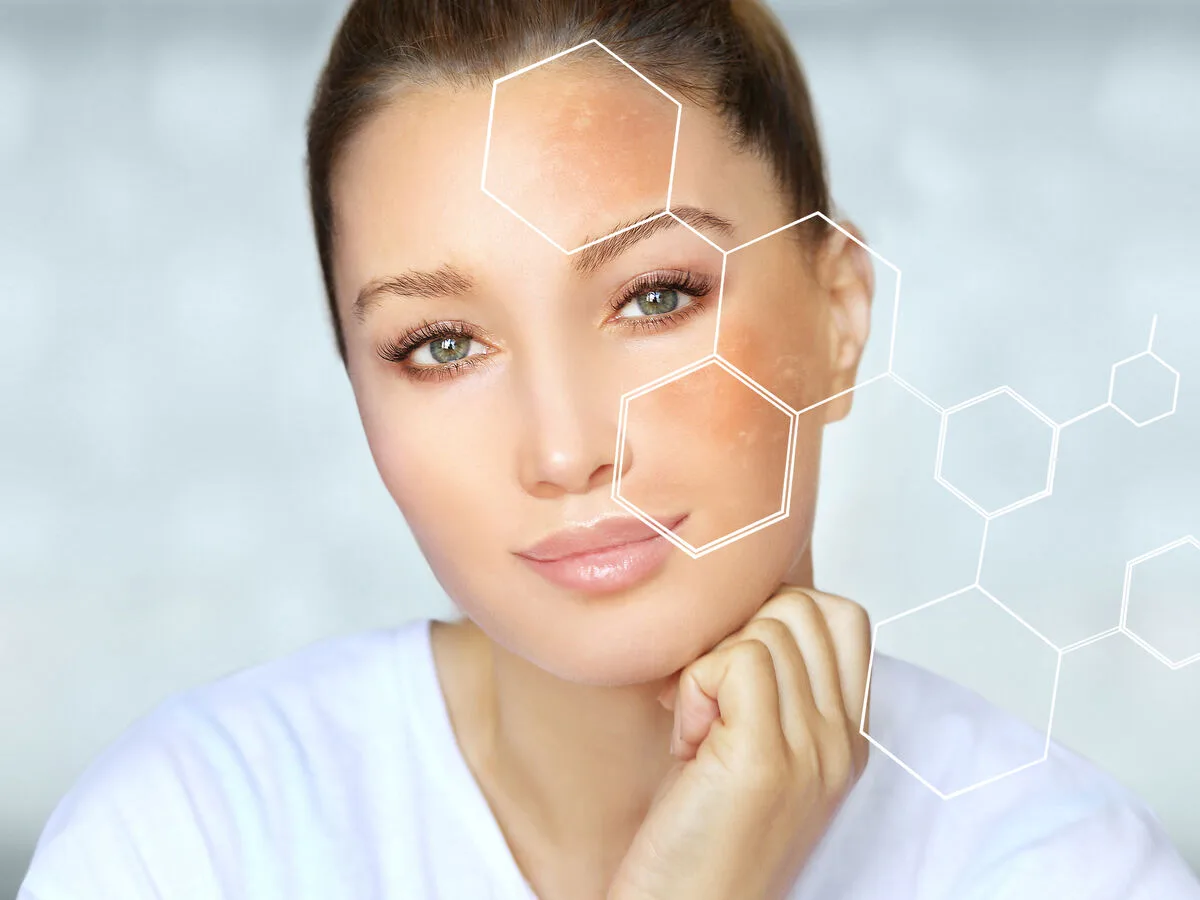
Melasma is strongly associated with estrogen and progesterone fluctuations — most commonly during pregnancy, hormonal contraceptive use, or perimenopause. It presents as symmetric, often mask-like patches across the cheeks, upper lip, and forehead.
Inflammation & Barrier Dysfunction
A compromised skin barrier allows environmental triggers to penetrate more easily, driving chronic low-grade inflammation that stimulates melanin irregularity over time. This is why supporting the barrier is central to our approach.
Post-Inflammatory Hyperpigmentation (PIH)
Any inflammation to the skin — including acne, injury, or aggressive cosmetic treatments — can trigger an overproduction of melanin in the healing response. This is particularly common in medium-to-deeper skin tones.
Aggressive Treatment Approaches
Paradoxically, many common pigmentation treatments — high-heat lasers, aggressive peels, and inflammatory procedures — can worsen melasma and PIH by triggering rebound melanin production. Anti-inflammatory approaches are often more effective and more sustainable.
Our Protocol
Our Anti-Inflammatory Approach to Pigmentation
We treat pigmentation disorders with a non-aggressive, barrier-first philosophy — using technology that calms the skin, reduces inflammatory load, and tracks progress objectively.
Melanin Mapping with Antera 3D®
The Miravex Antera 3D® provides objective, quantified melanin concentration mapping across the skin surface — allowing us to see the distribution and depth of pigmentation before treatment and track its reduction at every session. This removes guesswork from the process entirely.
Anti-Inflammatory LED Photobiomodulation
LIGHTWAVE LED® uses specific wavelengths — particularly red and near-infrared — to calm inflammatory signaling in the skin. By reducing the inflammatory triggers that drive melanin overproduction, LED is one of the safest and most effective tools available for melasma and PIH without risking rebound.
Barrier Repair & Strengthening
A healthy skin barrier is the foundation of pigmentation control. Dermatude™ Meta-Therapy supports barrier integrity and enables the deep delivery of brightening and reparative actives — strengthening the skin's ability to regulate melanin production over time.
Stem Cell Molecular Support
NeoGenesis® S²RM® technology delivers growth factors and signaling molecules that support normalized skin repair — particularly valuable following inflammatory events or for maintaining progress between clinical sessions.
Targeted Professional Homecare
Dermajeune MD® provides the daily antioxidant protection, melanin-regulation support, and barrier reinforcement needed to protect and extend the gains made in clinic. Daily sun protection is non-negotiable and integrated into every protocol we design.
Technology
Clinical Systems We Use
Miravex Antera 3D®
Objective melanin mapping and progress tracking
LIGHTWAVE LED®
Anti-inflammatory photobiomodulation — safe for all skin tones
Dermatude™
Barrier repair and transdermal delivery of brightening actives
NeoGenesis®
Stem-cell released molecular support for normalized repair
Dermajeune MD®
Daily melanin regulation, antioxidant protection, SPF
Fusion Plasma
Precision resurfacing to reduce pigmented lesions and surface irregularities
Chemical Peels
Targeted exfoliation to address post-inflammatory pigmentation and surface discoloration
Diet & Nutrition Guidance
Antioxidant and anti-inflammatory nutritional support to reduce melanin-driving inflammation
Treatments